What AI Résumé Screening Is and How It Works
Think of AI résumé screening as a tireless, highly methodical assistant. It can look at hundreds of applications in minutes, picking out the skills, qualifications and experiences you’ve asked it to find.
The process is fairly straightforward. First, someone defines the role requirements — the essentials and the nice-to-haves.
The AI then scans each résumé, pulling out relevant details: work history, education, certifications, keywords. It matches those details to your criteria and produces a shortlist.
Some tools stop there. Others take it further, running skills tests, analysing language patterns, or even doing automated video screening.
On paper, it sounds flawless. But here’s the catch: the results are only as fair as the data and rules the system is built on.
Without safeguards, AI screening for inclusive interviews can quietly repeat the same biases we have been trying to eliminate.
This inclusive interviews tip shows you how to implement technology that actually supports fair hiring decisions.
Register for our online Inclusive Recruitment course.
Or contact us for tailored support.
Why Speed Without Safeguards Is a Risk
AI’s biggest advantage is speed. If your team is overwhelmed, it can feel like the solution you have been waiting for.
Yet speed is not always your friend. If the AI’s training data reflects a history of narrow hiring choices, it will faithfully repeat them.
That could mean prioritising candidates from certain schools, industries or regions for no real reason other than “that’s who we hired before”.
Worse still, many systems are opaque. They produce a ranking or score but give no explanation.
You might not even realise bias has crept in until your shortlists start looking less diverse than before. By that point, the damage is done.
Where Bias Creeps In
Bias does not always shout its presence. It hides.
It can be baked into the language of old job ads. It can be tucked away in subjective interview notes. It can even sit in performance reviews where “likeability” overshadowed measurable results.
Sometimes it shows up in things that appear neutral. Distance from the office. Gaps in employment.
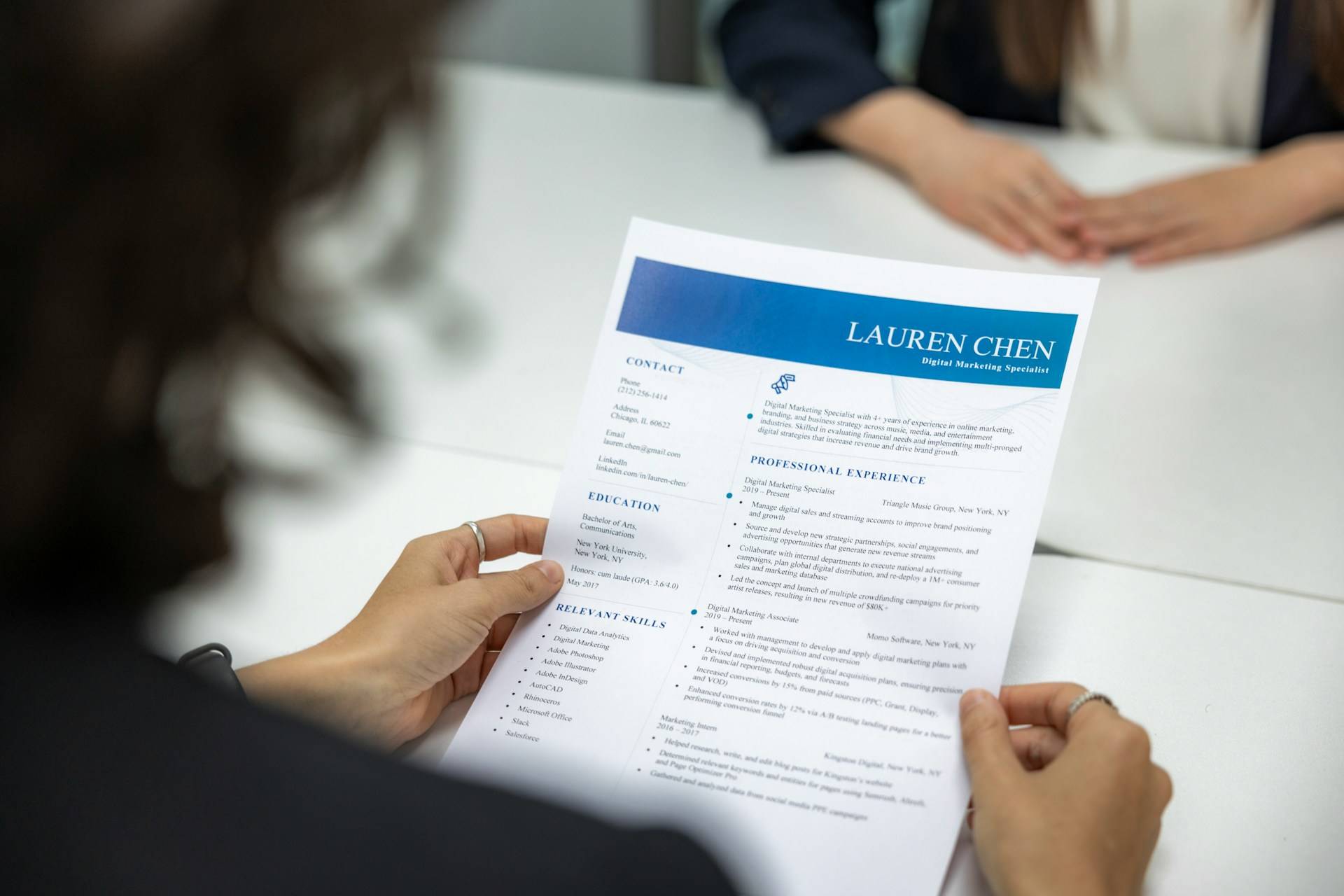
Certain résumé formats. These can all act as stand-ins for demographic traits, and the AI cannot tell the difference unless it has been taught to.
Building Safeguards Into AI Screening
The first safeguard is simple. Keep people in charge. Let the AI do the sifting, but have a trained recruiter review every shortlist before anyone is rejected.
Then, test. Not once, not twice — regularly. Look at who applies, and compare that to who the AI advances.
If certain groups keep disappearing between those two points, investigate. It might mean changing a filter, rewriting a requirement, or retraining the system on better data.
Another smart move is to hide identifying details from the profiles that reach interview stage. Names, photos, addresses — all of these invite unconscious bias. Remove them and interviewers are more likely to focus on what matters: skills, potential, and evidence.
Designing AI to Serve the Interview
AI works best when it sets the stage for fair interviews, not when it tries to replace them.
It can create structured profiles that map directly to interview questions and scoring guides. That way, every candidate is judged against the same criteria, not against gut instinct or “someone who feels like a good fit”.
Be open about it. Candidates should know AI is part of the process, what it is looking for, and that a human will make the final decision. Internally, hiring teams should understand the tool well enough to challenge it if something seems off.
Keep Measuring, Keep Adjusting
This is not a “set and forget” tool. Markets change. Candidate behaviour changes. Even the best-configured AI can drift.
Keep checking diversity data from application through to offer acceptance. Watch for unexplained drop-offs. Ask candidates how the process felt. Was it clear? Was it fair?
When something needs adjusting, act quickly. Retrain the model. Update the criteria. Fine-tune the interview process that follows. The aim is not just speed — it is fairness, and giving the right people a genuine chance to shine.
The Bottom Line
AI screening can save time, uncover hidden talent, and bring consistency to hiring. It can also deepen existing inequities if bias safeguards are ignored.
The fix is not complicated. Keep people in control. Audit regularly. Train on diverse data. Make sure AI is supporting inclusive interviews, not undermining them.
In a tight talent market, that balance between efficiency and ethics is what separates the employers people want to work for from the ones they avoid.
Register for our online Inclusive Recruitment course.
Or contact us for tailored support.